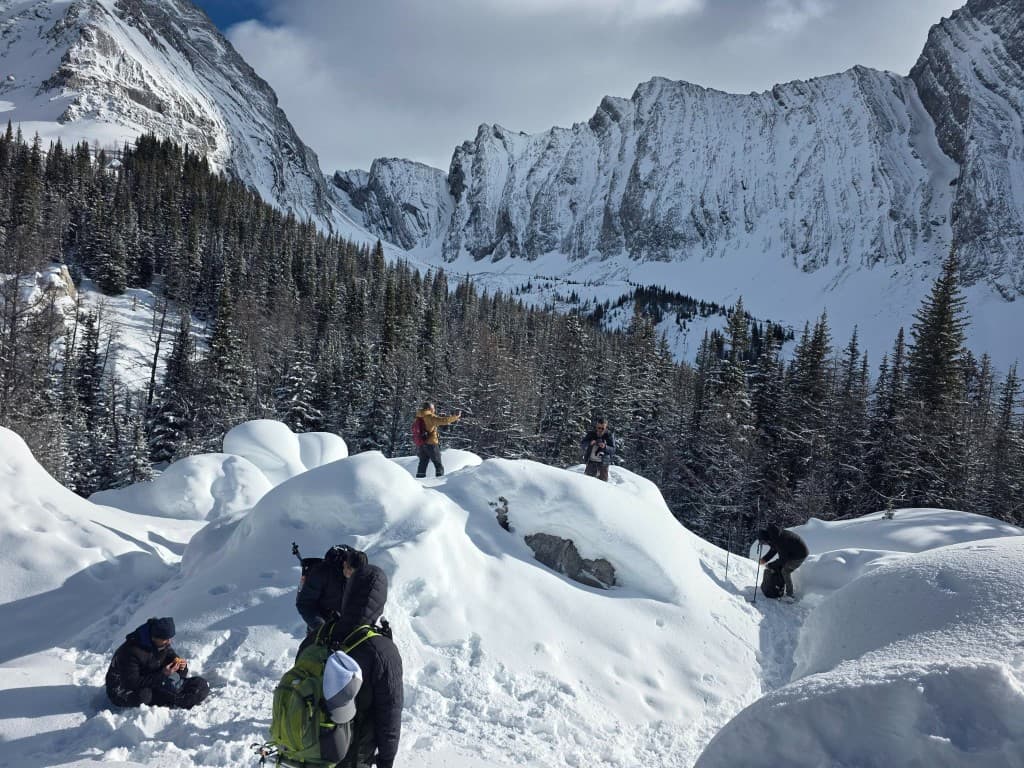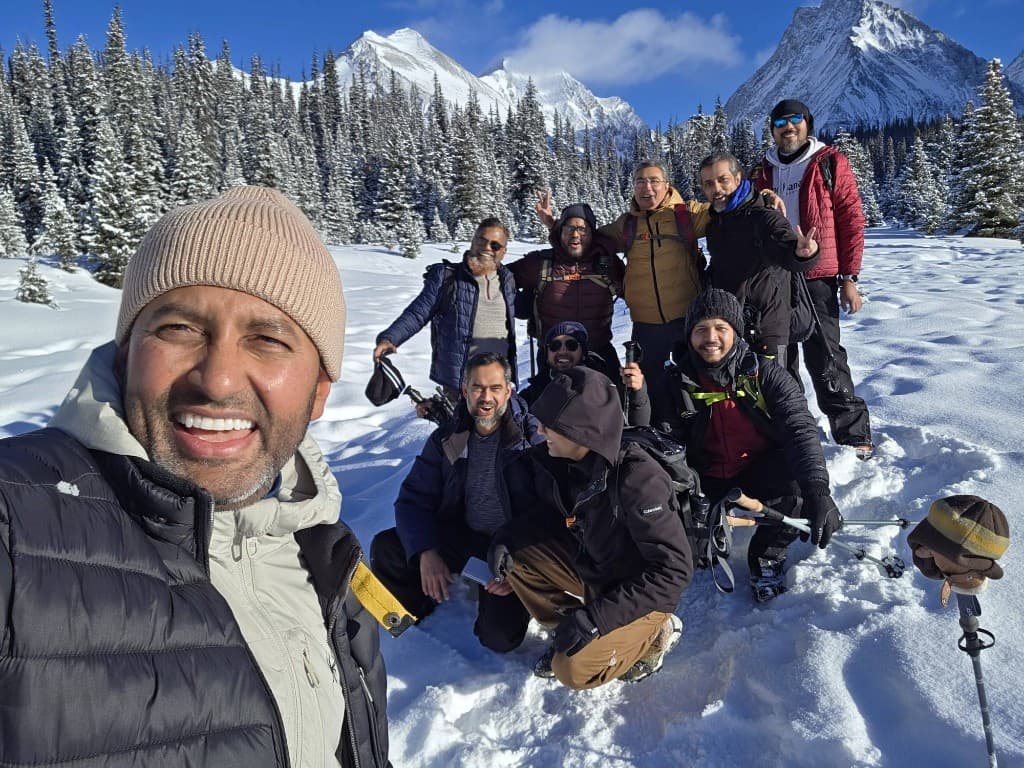
❄️ The Magic of Winter Hiking
Winter hiking transforms familiar trails into a wonderland of silence and sparkle. Snow blankets the landscape, muffling sound and turning every tree, rock, and ridge into art. The crisp air fills your lungs with freshness, and the low golden sun paints the mountains in soft light you'll never see in summer.
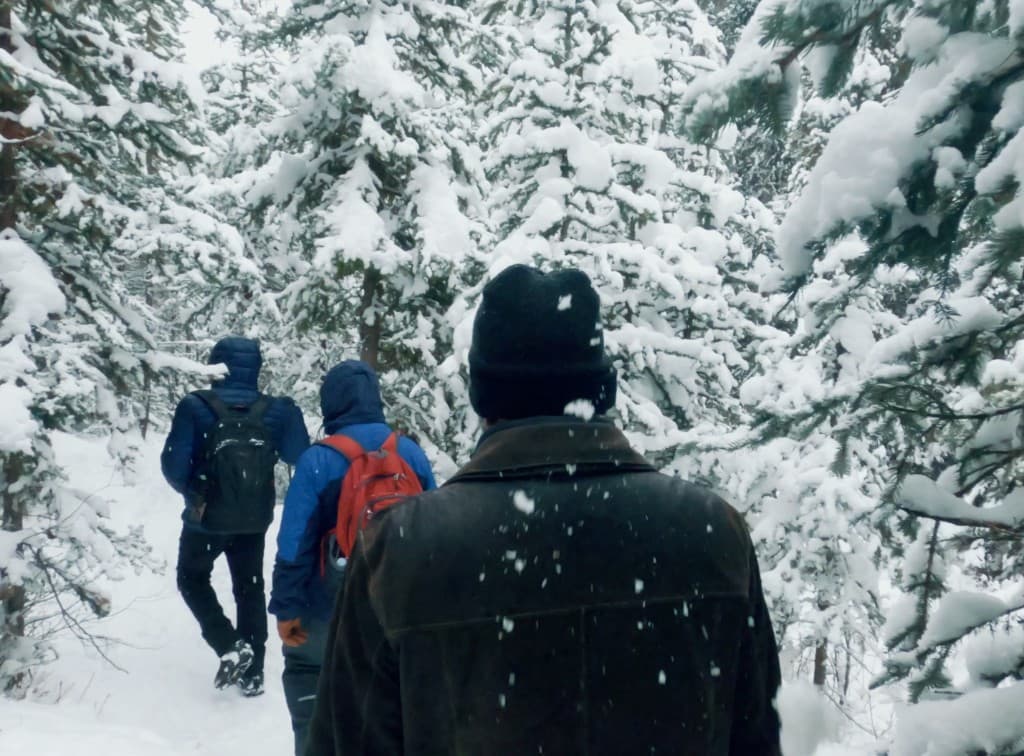
Each step crunches beneath your boots as you follow frosty trails that few have traveled. There's peace in the stillness — the kind that clears the mind and calms the spirit. It's the perfect antidote to busy lives and screens.
The benefits go far beyond scenery:
- It boosts mood and fights winter blues through natural light and movement.
- The cold air strengthens lungs and improves circulation.
- Trails are quieter, letting you reconnect with nature and yourself.
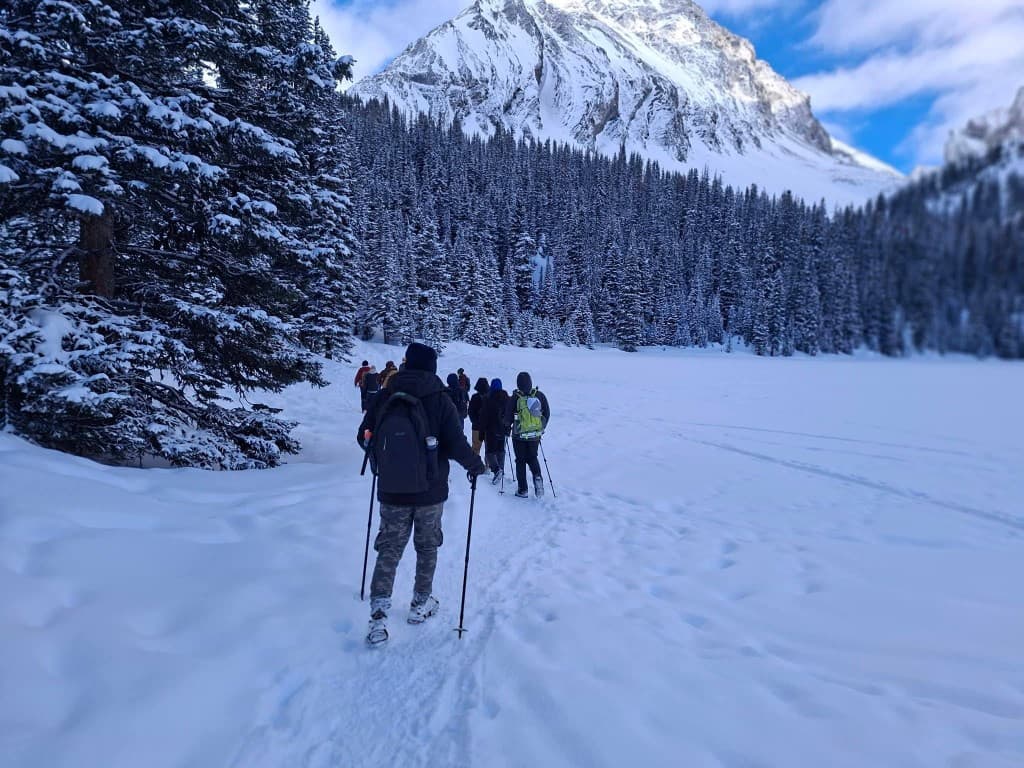
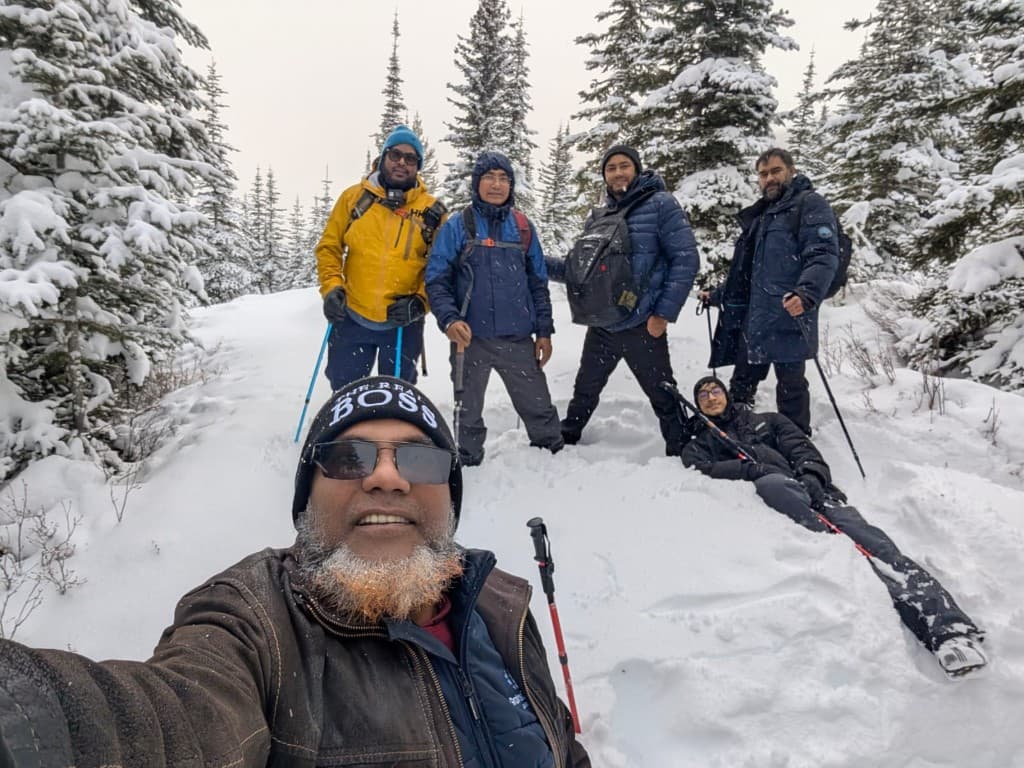
- Shared winter hikes build camaraderie — teamwork on snow-packed paths brings people closer.
Winter hiking reminds us that beauty doesn't disappear with the cold; it simply changes form — inviting us to slow down, breathe deeply, and find warmth in the wilderness.
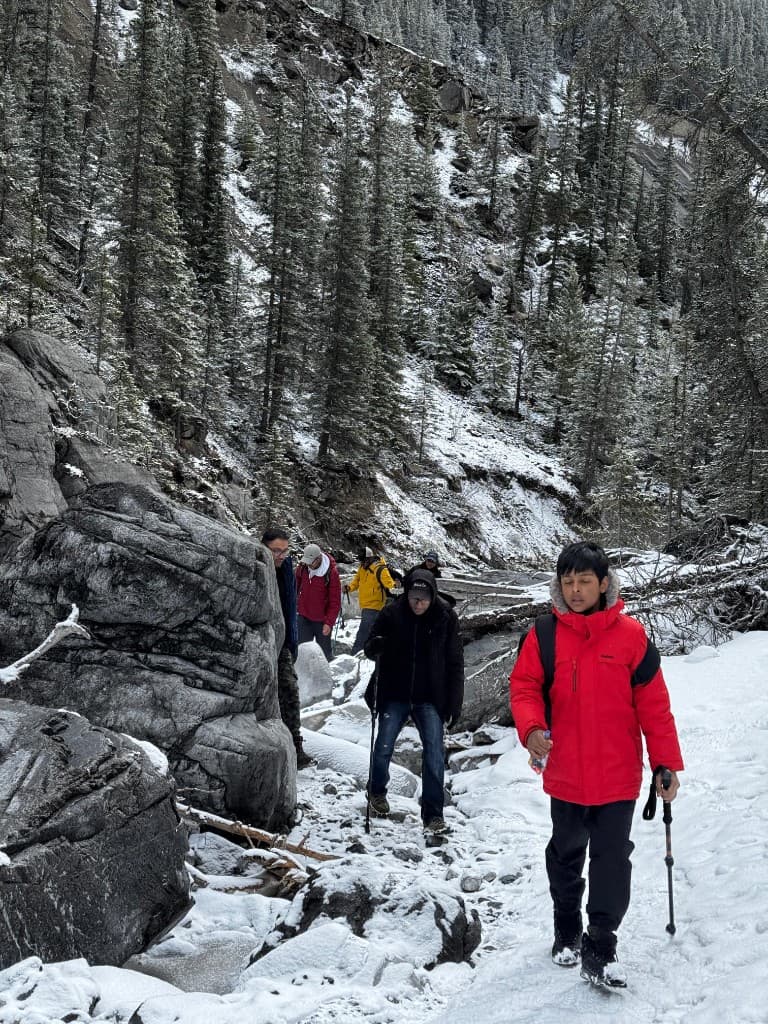
🥾 Winter Hiking Safety Tips
1. Start Early.
Daylight is short in winter, so plan to hit the trail as early as possible. Even familiar routes can take longer in snow or ice, and you don't want to get caught out after dark.
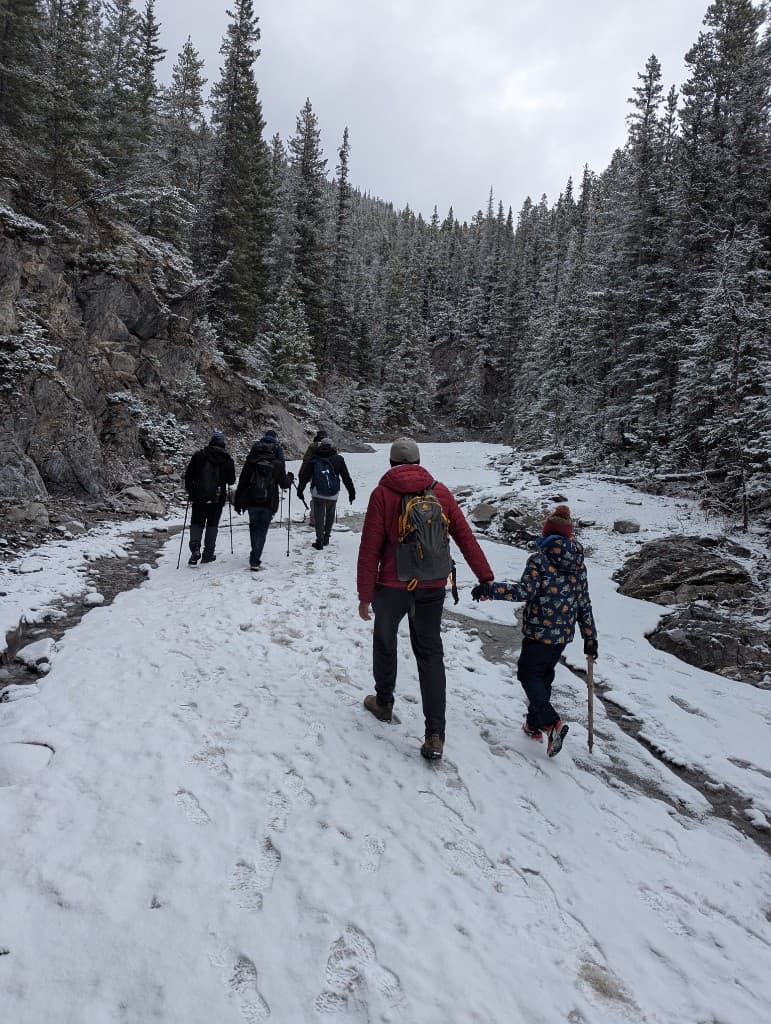
2. Choose a Shorter, Realistic Trail.
Pick a hike that's well within your ability — aim for trails that you can comfortably complete in daylight.
3. Dress in Layers.
Wear moisture-wicking base layers, an insulating mid-layer, and a wind- and waterproof outer shell. Layers let you adjust to changes in temperature and activity level — you'll sweat going uphill and chill fast when you stop.
4. Waterproof and Warm Footwear.
Waterproof hiking boots, gaiters, and insulated socks are must-haves. Wet feet can lead to frostbite quickly in cold conditions.
5. Carry Extra Socks and Gloves.
If your socks or gloves get wet, you'll want dry spares. Cold hands and feet can ruin a hike or become dangerous.
6. Pack Light but Smart.
Include a headlamp or flashlight, a GPS, high-energy snacks, and a thermos with something warm to drink.
7. Stay Visible and Check the Forecast.
Wear bright colors and check the weather before you go. Avoid hiking during storms or high-wind warnings.
8. Carry Traction Devices.
Bring microspikes, crampons, or snowshoes depending on the conditions. Even an easy trail can turn icy and slick in shaded areas.
9. Know When to Turn Back.
If visibility drops, you lose the trail, or you're running short on daylight, turn around early. It's better to make it back safely than push for the summit.
10. Let Someone Know Your Plans.
Tell a friend or family member where you're going and when you expect to return. Check in once you're back.
11. Bonus Essentials.
Carry a small first-aid kit, an emergency blanket, matches or a lighter, and a fully charged phone (keep it close to your body to preserve battery life).
- Bring microspikes or crampons
- Dress in layers
- Protect extremities
- Use gaiters (optional) if you do not wear snow pants